
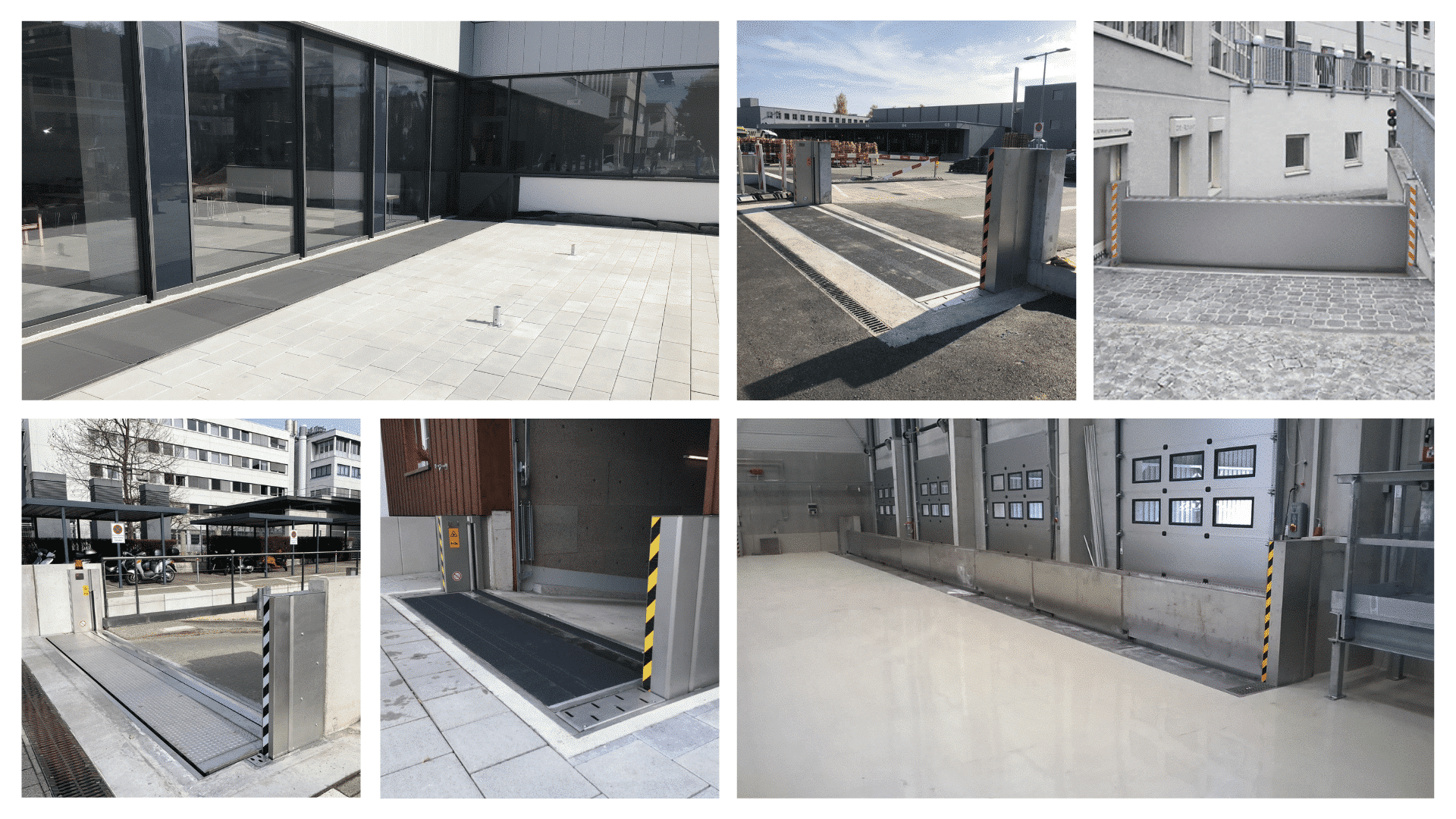
Flood protection for your home and garden is not just about buying barriers. It is about stopping water where it enters, reducing damage if flooding happens, and preparing a simple plan before the next storm. This guide covers the most practical flood protection solutions for doors, windows, garages, basements, roofs, facades, and outdoor areas.
Key Takeaways: Flood Protection for Your Home and Garden
- Flood protection works best when you protect the weak points first.
- Flood barriers can be temporary, automatic, or built into the structure.
- A flood emergency plan helps you act fast when water starts rising.
- Internal links to related Spillbarrier content improve both SEO and user experience.
For US readers, the most useful approach is a layered one. That means using physical protection, drainage planning, emergency supplies, and trusted public guidance from FEMA and the National Flood Insurance Program. The goal is simple: keep as much water out as possible and recover faster if water still gets in.
Table of Contents
Why flood protection for your home and garden matters in the US
Flooding can damage floors, walls, wiring, HVAC systems, furniture, vehicles, and stored items in a very short time. In the US, that risk can come from river flooding, flash flooding, storm surge, or heavy rainfall overload. That is why flood protection is not only a product decision; it is a property resilience decision.
The best plans focus on the most likely entry points first. Doors, windows, basements, garages, and low outdoor thresholds are the places where water usually enters earliest. That is also why the article uses more keywords like flood protection, flood barriers, and water protection throughout the page.
Flood protection for doors and windows

Doors and windows are often the first places where flood water enters a house. Even shallow water can move quickly indoors if seals, frames, or thresholds are weak. That is why flood-rated doors, window protection, and temporary barriers are some of the most important flood protection solutions for homeowners.
For a deeper look at opening protection, read our guide on how to protect doors and windows from flooding. It explains the practical differences between permanent and temporary systems and helps you choose the right option for your property.
Flood protection doors
Flood protection doors use watertight seals, reinforced frames, and durable materials such as aluminium or steel to resist water entry. They are a strong permanent solution for homes that face repeated flooding or live in high-risk areas. When properly installed, they create a dependable barrier at one of the most vulnerable points of the building.
Maintenance matters just as much as the product itself. Seals, hinges, and frame alignment should be checked regularly so that the system still works when a storm arrives. If you are comparing different flood protection options, our flood causes and prevention article is a useful place to start.
Flood protection windows
Flood protection windows combine standard glazing with sealing systems that help block water entry. They are especially useful for lower floors, basement windows, and facades exposed to surface water. A well-fitted flood window can also support insulation and security.
Professional installation is important because a weak frame fit can let water in even when the glass itself is resistant. If your home is in a flood-prone area, combine window protection with a broader water protection plan that includes the surrounding wall, sill, and drainage path.
Flood protection solutions for garages and basements
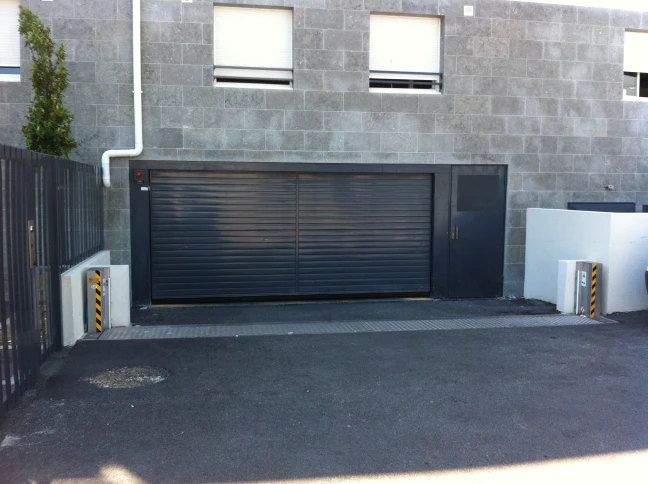
Garages and basements are especially vulnerable because they are lower than the main living area and often have wider openings. Once water enters, it can damage tools, storage, vehicles, insulation, and electrical systems. The right flood protection solutions should match the opening size, expected water depth, and how quickly water can rise.
For a focused look at this topic, see our article on garage and basement flood protection. It covers barriers, installation points, and what to consider before the next flood event.
Flood protection for garages
Flood protection for garages often uses aluminium dam beam systems or other removable barriers that can be deployed before water arrives. These systems are practical when flood risk is occasional and someone is available to set them up in time. They are also reusable, which makes them useful for homeowners who want flexible protection.
If you want to compare more advanced options, our best flood protection guide explains why automatic systems can be a stronger choice in higher-risk locations. That is especially important where reaction time is short.
Flood protection for basements
Flood protection for basements usually combines water-resistant construction, drainage planning, and barriers at the entry points. In some homes, sump pumps and backup power also play an important role. The goal is to stop water from entering in the first place, or at least reduce how much reaches finished spaces.
Good basement protection is easiest to achieve when it is planned early. If you are assessing overall flood risk first, read how to determine your home’s flood risk before choosing a system.
Flood protection for the garden and outdoor areas

Outdoor areas matter too. Water can move across driveways, patios, walkways, and lawns before it reaches the building. Good flood protection in the garden slows runoff, redirects water safely, and reduces pressure on doors and basement entrances.
Practical water protection in the garden
| Measure | How it helps | Best for |
|---|---|---|
| Raised beds | Keep plants and soil above standing water | Yards with waterlogging risk |
| Drainage ditches | Move rainwater away from the house | Sloped plots and wet ground |
| Natural barriers | Slow runoff and reduce erosion | Borders, edges, and exposed areas |
These garden measures are simple, but they can help a lot during a storm. Rain barrels and cisterns can also absorb part of the runoff before it reaches the house. Combined with flood barriers, they form a better long-term water protection setup for the property.
Water-activated barriers and sandbags
Water-activated barriers expand when they contact water and form a temporary barrier against inflow. They are easier to handle than traditional sandbags and can be stacked for extra height. For many homeowners, they are one of the most practical short-term flood barriers for doors, thresholds, and small openings.
Sandbags still have a role, especially when low-cost emergency protection is needed. We cover that option in our best flood barriers article, and in our more detailed look at water-activated barriers. If you want a fast comparison, those two pages explain the strengths of each approach.
Flood emergency plan for your home and garden
A flood emergency plan is just as important as physical protection. It tells you what to do, who to call, what to move, and when to leave. Without a plan, people often waste time deciding what matters most while water is already entering the property.
Your plan should include evacuation steps, utility shut-off instructions, emergency contacts, and a list of items to move first. It should also say where flood barriers, flashlights, batteries, and pumps are stored. Keep it short, clear, and easy to use under stress.
For more planning guidance, see our flood protection for your home article. It connects risk checks, product choice, installation, maintenance, and emergency planning in one simple framework.
Flood emergency kit
Emergency kit essentials
- Pumps: remove water from basements or garages.
- Portable power: support key devices during outages.
- Spare batteries: keep lights and radios working.
- Water purification tablets: useful in emergency situations.
Keep your emergency kit in a place you can reach fast. Check it at least twice a year so items do not expire or go missing. A good kit is one you can use immediately, even in the dark or under pressure.
What to do during a flood
During a flood, safety comes first. Avoid dangerous areas, follow local authority instructions, and do not walk or drive through moving water. If evacuation is advised, leave early and turn off utilities only if it is safe to do so.
Only return when officials say it is safe. Floodwater can hide electrical hazards, contamination, and structural damage. For official US safety guidance, FEMA and local emergency agencies are the most reliable sources to follow.
Recommended flood protection strategy and flood barriers
The most effective strategy is a layered one. Use permanent protection where water entry is likely, temporary flood barriers where risk is occasional, and a clear flood emergency plan everywhere. Add regular maintenance so the system still works when you need it most.
If your property faces repeated flooding, automatic systems may be worth considering. They are especially useful for entrances, garages, and lower openings where no one may be present to install a barrier in time. For more on this topic, read best flood protection and why spillbarriers are the best flood barriers.
Summary
Flood protection for your home and garden works best when it starts before the next storm. Protect the weak points, improve drainage, prepare a flood emergency plan, and keep trusted tools ready. If you combine those steps, you reduce damage, speed up recovery, and make your home far more resilient.
For US readers, FEMA, the National Flood Insurance Program, and local emergency agencies are the right places to check for official flood guidance. When you pair that guidance with the right flood protection solutions, your property has a much better chance of staying safe.
FAQ
What are the best flood protection solutions for a home?
The best flood protection solutions for a home usually combine door protection, window protection, basement flood protection, and a flood emergency plan. For repeated flooding, automatic flood barriers or built-in systems can be stronger than temporary options.
How do I protect doors and windows from flooding?
Use flood-rated products, watertight seals, and temporary barriers placed before water arrives. For more detail, read our guide on how to protect doors and windows.
What is the best flood protection for garages and basements?
The best flood protection for garages and basements depends on the layout and flood risk. Many homeowners choose aluminium dam beam systems, automatic barriers, or waterproof basement details. You can compare options in our article on garage and basement flood protection.
Are water-activated barriers better than sandbags?
Water-activated barriers are easier to handle and usually faster to deploy than sandbags. Sandbags still work as a low-cost option, but water-activated barriers are often more practical for quick flood protection at doors and thresholds. See our guide on water-activated barriers.
What should be in a flood emergency kit?
A flood emergency kit should include pumps, portable power, spare batteries, and water purification tablets. Keep the kit easy to reach so you can act fast when flooding starts.
What should I do if flooding starts?
If flooding starts, move to safety, follow local authority instructions, and avoid walking or driving through floodwater. Turn off utilities only if it is safe to do so, and do not return until authorities say it is safe.
Where can I read more about flood protection?
Good next reads are our articles on flood protection for your home, flood causes and prevention, and best flood barriers.
About the author
Anhamm / Spillbarrier team
Spillbarrier develops automatic flood protection systems for homes, garages, commercial properties, and critical infrastructure in the US and internationally.
Always verify flood risk and emergency steps with official US sources such as FEMA and the National Flood Insurance Program.