
Table of Contents
Modern fire protection solutions for businesses are essential for increasing operational efficiency, reducing costs, and maximizing safety. Advanced systems detect fires at the earliest stage, enable rapid response, and significantly minimize potential damage. For businesses, this means not only protecting human lives and physical assets, but also guarding against financial losses and costly operational shutdowns.
In a world where fire risks are becoming more diverse and complex, it is essential to rely on forward-thinking fire protection concepts. Modern solutions combine structural, technical, and organizational measures — from automated fire alarm systems and intelligent suppression systems to energy-independent mechanical barriers such as the Spillbarrier fire protection barrier. A fire-safe business is not a matter of chance — it is the result of systematic planning, regular maintenance, and consistent training of everyone involved.
This comprehensive guide shows business owners and EHS managers how modern fire protection technologies contribute to long-term stability and safety while delivering significant economic benefits. From foundational concepts and efficiency gains to legal requirements — here you will find everything you need for an informed decision.
Key Takeaways
Modern Fire Protection at a Glance
- Modern fire protection solutions increase efficiency, safety, and cost savings through digital technologies and automated processes
- Automated fire alarm systems enable early fire detection, optimized maintenance processes, and shorter response times in emergencies
- Businesses benefit from lower insurance premiums and minimized operational disruptions
- A fire extinguished early prevents costly and potentially business-ending production stoppages
- Innovative technologies such as the Spillbarrier fire protection barrier deliver energy-independent, low-maintenance protection — no power supply required
- Sustainable concepts improve the environmental footprint and reduce resource consumption in fire safety management
What Is Modern Fire Protection for Businesses?
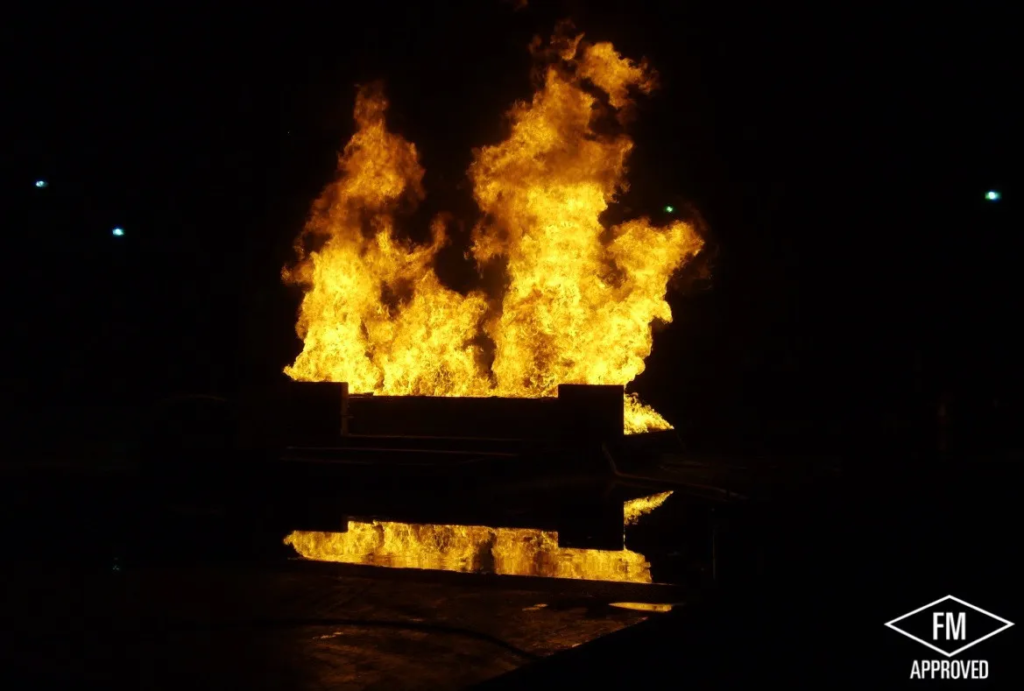
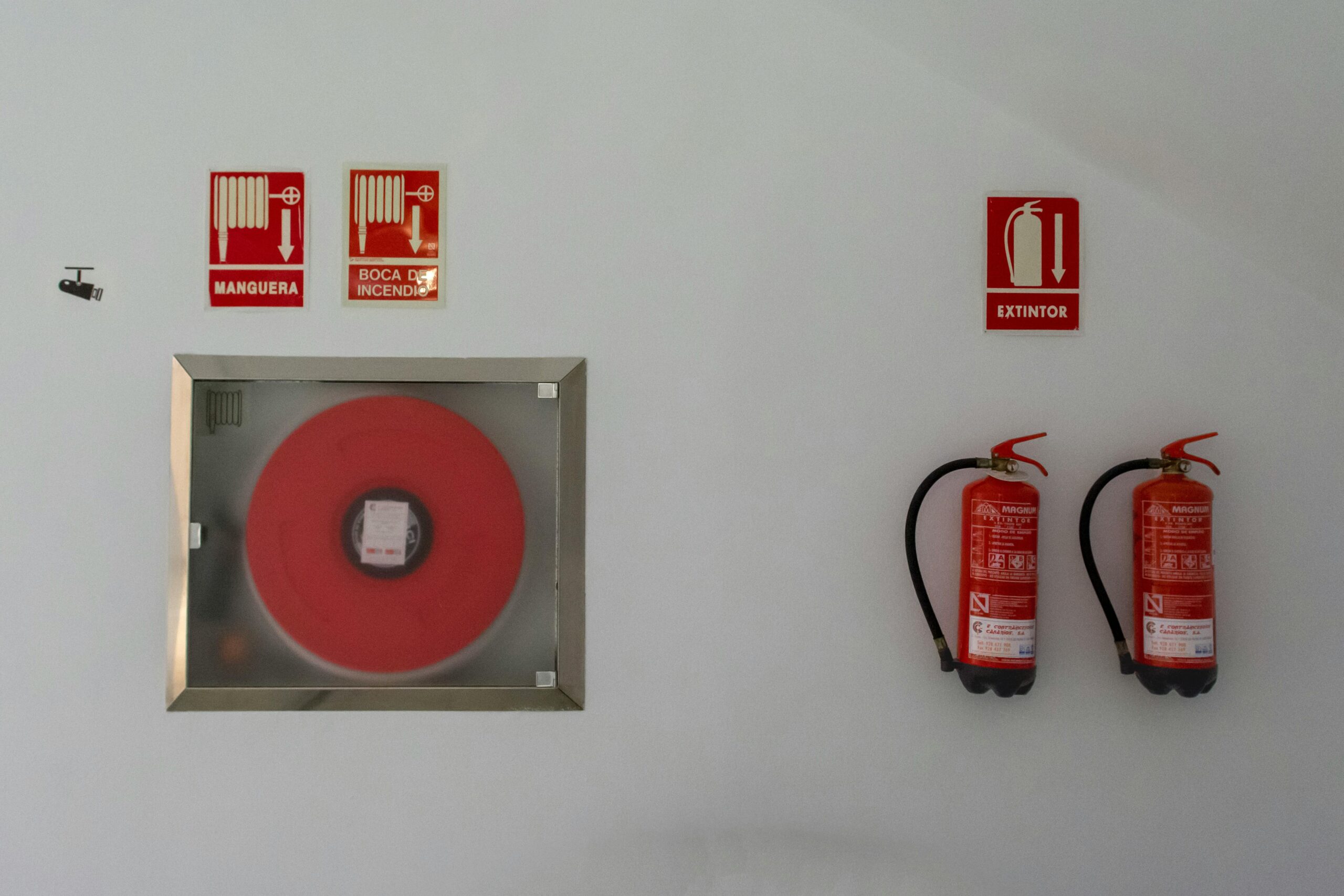
Fire protection is a central concern for businesses when it comes to safeguarding human lives and physical assets. An effective fire protection concept is built on a combination of structural, technical, and organizational fire protection measures. These three pillars form the foundation for comprehensive protection and ensure that both prevention and targeted fire safety measures take effect in an emergency.
Structural fire protection begins in the planning phase of a building. Fire walls, fire compartments, and fire-resistant building components are designed to slow or prevent the spread of fire, smoke, and heat. Requirements are regulated under the International Building Code (IBC) and applicable NFPA standards. For businesses, this means that when constructing or renovating facilities, the corresponding fire resistance ratings — from 1-hour to 4-hour assemblies — must be met depending on occupancy and building class.
Technical fire protection encompasses all active systems that respond in the event of a fire: fire alarm systems, sprinkler systems, smoke and heat exhaust systems, and specialized containment systems. A frequently underestimated component is the automatic fire retention barrier — because uncontrolled firefighting water can carry chemicals, oils, or other hazardous substances into storm drains, causing significant environmental damage. In Spillbarrier systems, mechanical float valves achieve this containment without power or controls, reliably every time.
Organizational fire protection encompasses all measures that translate the fire protection concept into operational practice: fire safety plans (equivalent to NFPA 101 Life Safety Code requirements), the appointment of a fire safety coordinator, regular employee training, and evacuation drills. Businesses must regularly review their fire protection solutions and adapt them to current requirements and safety standards. Detailed information on fire protection for industrial facilities is available in our comprehensive guide.
The 3 Pillars of Corporate Fire Protection
Structural Fire Protection
- Fire walls & fire compartments
- Fire resistance ratings (1-hr to 4-hr assemblies)
- Means of egress & emergency stairwells
- Fire doors & fire dampers
Technical Fire Protection
- Fire alarm systems (FAS) per NFPA 72
- Sprinkler & suppression systems per NFPA 13
- Smoke & heat exhaust systems
- Firefighting water retention systems
Organizational Fire Protection
- Fire safety plan per NFPA 101 Life Safety Code
- Employee training & instruction
- Evacuation drills
- Maintenance & inspection schedules
What Challenges Exist in Modern Fire Protection?

Businesses face a wide range of challenges in fire protection. One of the biggest tasks is the early detection and prevention of fire hazards in order to minimize risks to employees and operations. Compliance with strict safety requirements and ensuring the reliability of all fire protection systems are equally essential.
Particularly critical is the spread of fire within buildings, which can be accelerated by outdated or inadequate fire protection technology and a lack of evacuation drills. Businesses must therefore take targeted measures to identify and address weaknesses — including regular inspections, drills, and continuous adaptation of protective measures to new challenges.
Added to this are entirely new risk areas that barely existed a few years ago:
- Lithium-ion batteries in electric vehicles and storage systems burn at significantly higher temperatures and are difficult to control with conventional extinguishing agents.
- Networked IoT systems in building management improve monitoring quality but create new attack surfaces for cyberattacks that could, in the worst case, disable fire protection systems.
These risks must be factored into the planning of modern fire protection concepts. For more on fire causes in the chemical industry, see our dedicated article.
The 5 Biggest Fire Protection Challenges for Businesses
- Early detection: Fires must be identified before they spread — especially in automated warehouses with limited overnight staffing
- Outdated fire protection technology: Legacy systems increase risk through delayed alarms and unreliable detection
- Lack of evacuation drills: Untrained employees react slowly in emergencies, endangering themselves and others
- New risk sources: Lithium-ion batteries, rooftop solar arrays, hydrogen-powered vehicles
- Cybersecurity in networked systems: IoT vulnerabilities can compromise fire protection systems and disable critical safeguards
How Do Modern Fire Protection Solutions Increase Efficiency?
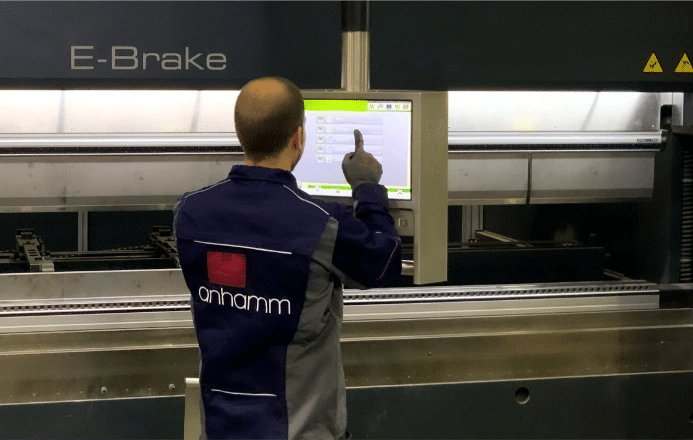
Modern fire protection solutions have revolutionized the way businesses handle fire hazards. The use of digital systems and automated processes significantly increases efficiency in fire prevention. These technologies not only streamline workflows but also reduce the risk of human error, leading to overall higher operational performance.
Combined with fast and preventive measures, they secure the financial stability of businesses by avoiding costly operational interruptions. The implementation of modern fire protection technologies improves efficiency not only through faster response times, but also through optimized system maintenance.
Automated Fire Alarm Systems
Automated fire alarm systems (FAS) are a core component of modern fire protection. They enable early fire detection and significantly reduce emergency response times. Through the use of intelligent sensors — from optical smoke detectors and heat detectors to flame sensors — these systems can immediately detect and report fires, minimizing the danger of delayed alarms.
Requirements for the design, installation, and operation of fire alarm systems are governed by NFPA 72 (National Fire Alarm and Signaling Code) and UL 864. Only listed and certified contractors may install and commission FAS systems. A further advantage of automated fire alarm systems is real-time monitoring, which ensures rapid response to potential ignition sources.
Advantages of Automated Fire Alarm Systems at a Glance
- Early fire detection: Intelligent sensors immediately detect smoke, heat, and flames
- Real-time monitoring: Continuous 24/7 surveillance of all areas
- Automatic notification: Direct transmission to the fire department and security services
- IT system integration: Seamless connection to building management and security systems
- Reduced response times: Faster firefighting significantly minimizes damage
- Documentation: Complete records for insurance carriers and regulatory authorities
Integrating Fire Protection Solutions into Existing IT Systems
Integrating fire alarm systems into existing IT infrastructure is another critical efficiency driver. These systems can be seamlessly incorporated into existing security and building management platforms, greatly simplifying oversight and control.
Through this seamless integration, businesses can more efficiently monitor and manage their fire safety measures and optimize emergency response times. Photos, documents, and sensor data are automatically linked by unique ID, ensuring a coherent connection between all system components. The connection of fire alarm systems with existing IT platforms also supports simplified data analysis and faster decision-making in critical situations.
Modern computerized maintenance management systems (CMMS software) make it possible to centrally manage all fire protection systems, their inspection intervals, and maintenance histories — maintaining full oversight across multiple locations.
Optimized Maintenance Processes of Fire Protection
Optimized maintenance processes are another key aspect of modern fire protection solutions. Digital tools enable fire protection systems to be inspected regularly and automatically, supporting predictive maintenance and minimizing downtime. These technologies allow for more precise scheduling of inspections and repairs, further increasing operational efficiency.
Digital maintenance tools also enable early identification of maintenance needs, reducing standtimes. Predictive maintenance allows operators to identify and resolve potential problems early, further increasing the reliability and efficiency of fire protection systems.
| System | Maintenance Interval | Inspection Required | U.S. Standard / Reference |
|---|---|---|---|
| Fire Alarm System (FAS) | Quarterly (inspection) Annual (full test) |
Yes, by certified contractor | NFPA 72, UL 864 |
| Sprinkler System | Semi-annual | Yes, by licensed inspector | NFPA 13, FM Global DS 2-0 |
| Portable Fire Extinguishers | Annual | Yes, by qualified person | OSHA 29 CFR 1910.157, NFPA 10 |
| Smoke & Heat Exhaust Systems | Annual | Yes | NFPA 92 |
| Spillbarrier Barriers | Annual (visual check + function test) | Recommended | Manufacturer specification |
How Do Modern Fire Protection Solutions Increase Safety?
Modern fire protection solutions offer not only efficiency gains, but also significantly increased safety and protection for people and physical assets. The risks of fire are substantial: in addition to direct property damage, businesses face personal injury liability, legal consequences, and severe reputational harm. For manufacturers, a single fire can bring the entire supply chain to a standstill.
Innovative technologies make it possible to protect both human lives and assets more effectively. By investing in modern fire protection measures, businesses can achieve long-term economic advantages by minimizing the risk of costly fire damage. Preventive fire protection is also legally required and essential for the safety of buildings and their occupants.
Innovative Fire Protection Technology at a Glance
Intelligent fire alarm systems can identify different types of fires and automatically initiate appropriate countermeasures. Networked systems communicate with other safety solutions and trigger immediate alerts in the event of fire. Infrared thermal imaging cameras enable early detection of fires and dangerous overheating points before visible smoke appears.
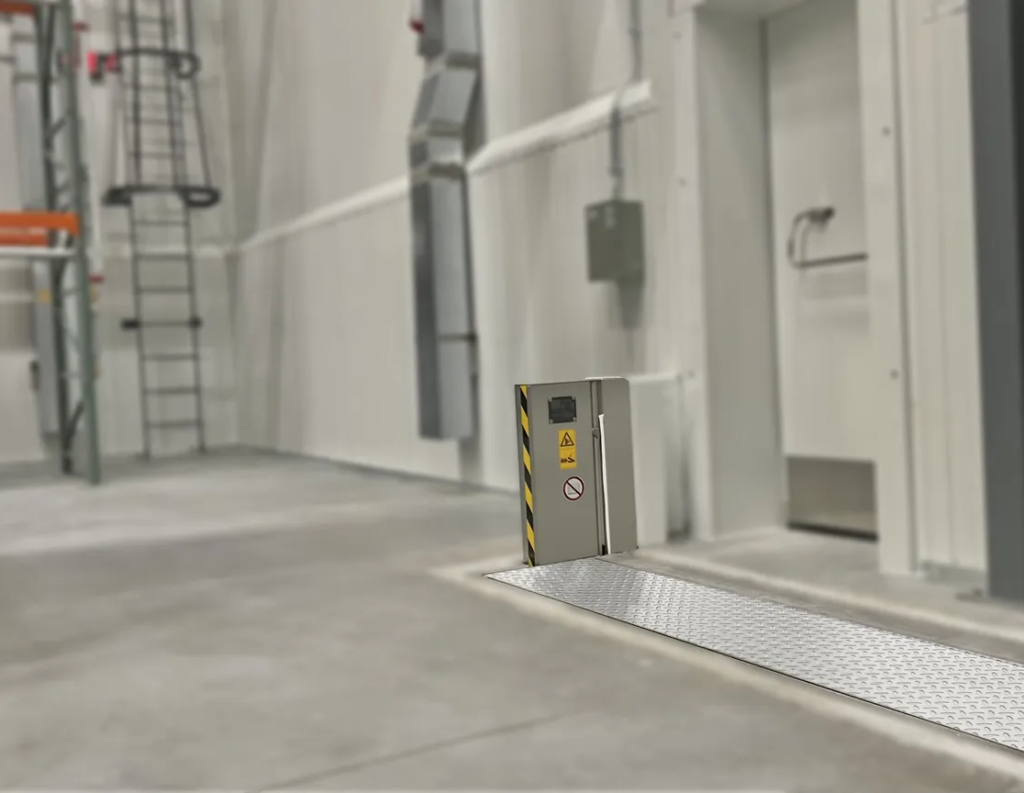
In the area of firefighting water retention, the Spillbarrier fire protection barrier sets the standard: as a purely mechanical system, it requires neither electricity nor hydraulics nor any external controls. A float principle automatically activates the barrier upon contact with liquid — reliably, even when the entire building automation system has failed. This is especially critical in large-scale fires, where power and data networks frequently fail at an early stage. Spillbarrier eliminates the need for power, making it the most dependable solution when it matters most.
Energy-Independent
Mechanical systems like the Spillbarrier fire protection barrier operate without power or hydraulics — reliable even during a total power outage.
Low Maintenance
Minimal maintenance costs thanks to a robust, long-lasting design with no electronic components. An annual visual inspection is sufficient.
Code Compliant
Meets all relevant U.S. fire protection standards and the requirements of OSHA 29 CFR 1910, NFPA, and FM Global.
Training and Education as a Safety Factor
Regular fire protection training is essential for fostering employee safety awareness and better preparing staff for emergencies. The goal is to establish consistent, clear knowledge so that everyone involved can act safely and efficiently when it counts.
Under OSHA 29 CFR 1910.38, employers are required to train employees on fire safety procedures as part of the Emergency Action Plan. Continuous training improves employee knowledge of fire safety protocols and enhances their emergency response capability. As fire protection innovations increasingly require skilled and knowledgeable personnel, it is critical that businesses invest regularly in staff development.
What Cost Savings Do Modern Fire Protection Solutions Offer?
Modern fire protection solutions contribute not only to efficiency and safety, but also to significant cost reduction. Investments in these technologies represent a long-term strategy for reducing operating costs. Early fire detection and efficient suppression systems minimize damage to buildings and inventory, substantially reducing financial losses.
Businesses that implement modern fire protection concepts frequently benefit from lower insurance premiums. Rapid fire suppression and targeted prevention also help avoid costly operational shutdowns. These cost savings contribute to the financial stability and competitiveness of the business.
Does Fire Protection Reduce Property Damage?
Early fire detection and effective suppression systems are decisive for reducing property damage. Modern fire alarm and suppression systems offer higher precision and efficiency in firefighting, significantly reducing the likelihood of costly damage. This not only reduces direct financial losses, but also lowers restoration costs following a fire event.
Equally important is the prevention of secondary damage: firefighting water that flows uncontrolled into production areas, basements, or storm drains can cause damage that far exceeds the original fire damage. A firefighting water retention system like the Spillbarrier closes exactly this gap — automatically, reliably, and without any manual intervention.
Lower Insurance Costs with Modern Fire Protection
Insurance carriers regularly offer lower premiums to businesses that deploy innovative fire protection systems, since the risk of fire damage and associated costs is substantially reduced. Advanced systems reduce the probability of fire incidents, causing insurers to classify these operations as lower risk.
Many insurers today explicitly require proof of a current fire protection concept and regular maintenance logs as a prerequisite for favorable terms. These savings on insurance costs represent a significant financial advantage of modern fire protection concepts that typically recoup the investment relatively quickly. For background on how containment systems affect insurance risk ratings, see FM Global research.
How does Fire Protection Minimize Business Interruptions
Modern fire protection solutions help minimize operational interruptions. Automated fire alarm systems detect fires early and dramatically reduce response times. This enables rapid firefighting and minimizes damage to buildings and inventory.
Digital tools also enable predictive maintenance and reduce downtime of fire protection systems. These optimized processes help maintain business continuity and prevent costly interruptions. More detail on flammable liquid retention is available in our dedicated article.
Fire Protection by Sector: Warehouses, Production, and Offices
Fire protection requirements vary significantly by industry and building use. What suffices in an office building falls far short of what is needed in a high-bay warehouse or a chemical production facility. A differentiated approach is therefore essential for any serious fire protection plan.
Warehouses and logistics centers are among the most demanding building types from a fire protection perspective. High storage densities, combustible packaging, forklifts with lithium-ion batteries, and frequently minimal overnight staffing place extreme demands on fire alarm and sprinkler systems. Firefighting water retention is especially critical, as large volumes of water can become contaminated with chemicals or oils. The Spillbarrier fire protection barrier is specifically engineered for these scenarios and is deployed in numerous warehouses and logistics centers across the U.S.
Manufacturing facilities face the challenge of reconciling fire protection with production continuity. Automatic suppression systems must be designed to extinguish quickly and effectively in an emergency while avoiding unnecessary production stoppages triggered by false alarms. Integration into SCADA and process control systems allows precise management and documentation of all safety-relevant events.
Office and administrative buildings primarily require reliable evacuation concepts and high-performance fire alarm systems with voice evacuation capability. Here, the focus is on life safety and the rapid notification of all building occupants. For sector-specific guidance on fire protection in chemical facilities, see our in-depth article.
| Sector | Key Fire Risks | Priority Measures | Relevant Standard |
|---|---|---|---|
| Warehouse / Logistics | High storage density, Li-ion batteries, hazmat contamination of fire water | ESFR sprinklers, fire protection barrier, early detection | NFPA 13, FM Global DS 8-9 |
| Manufacturing | Flammable liquids, combustible dust, process equipment overheating | Explosion protection, SCADA integration, secondary containment | NFPA 30, OSHA 1910.106 |
| Office / Commercial | High occupancy, cable/electrical fires, limited sprinkler coverage | Voice evacuation, FAS integration, egress planning | NFPA 101, IBC |
How Do Modern Fire Protection Solutions Adapt to New Risks?
Fire protection challenges now include not only traditional risks, but also new threats arising from climate change, demographic shifts, and digitalization. Modern fire protection solutions must therefore be flexible and adaptable to meet these constantly evolving demands.
The increasing interconnection of fire protection systems and the associated risks present new challenges. Beyond technical developments, regulatory and technical standards play a central role, as they define the requirements and benchmarks for fire protection. Legal requirements for preventive fire protection are anchored in state and local building codes and are regularly updated.
Sustainable fire protection measures are essential for promoting environmentally responsible practices within businesses. The development of new building materials and improvement of existing materials are key areas of fire protection research, ensuring effective preventive measures. By implementing sustainable concepts, businesses can not only improve their safety standards but also achieve long-term economic and environmental benefits. Learn more about water-activated protection barriers that apply these same principles.
Which Legal Frameworks Apply to Fire Protection in Businesses?
Compliance with fire protection regulations is of central importance for U.S. businesses. Key legal frameworks include the OSHA Emergency Action Plan Standard (29 CFR 1910.38), OSHA’s Fire Prevention Plan requirements, and applicable state and local building codes based on the IBC.
These regulatory frameworks define what measures businesses must take to protect human lives and property. Requirements range from structural specifications to the installation of fire protection systems and organizational measures. Additionally, for facilities handling oil or hazardous substances, EPA SPCC regulations (40 CFR 112) impose additional requirements — including secondary containment and diversion structures — that directly affect firefighting water retention planning.
Responsibility for fire protection lies with both company management and employees. Managers must ensure that all fire protection systems are regularly maintained and inspected, and that employees receive comprehensive fire safety training. Businesses are required to stay current on applicable regulations and adapt their fire protection measures accordingly. Details on fire protection regulations for industrial facilities are available in our regulatory guide.
Frequently Asked Questions
How do modern fire protection solutions increase efficiency?
Modern fire protection solutions increase efficiency through the use of digital systems and automated processes that optimize fire prevention and minimize human error. Automated fire alarm systems enable early detection, reduced response times, and optimized maintenance workflows — all documented and traceable for regulatory agencies and insurers.
How can businesses benefit from lower insurance premiums?
Businesses can benefit from lower insurance premiums by implementing modern fire protection concepts. Insurers classify such operations as lower-risk and offer better rates. As a prerequisite, insurers typically require proof of current maintenance logs, a valid fire protection plan, and certified systems. FM Global guidance provides additional benchmarks for risk-based pricing.
Why is regular fire protection training important?
Regular fire protection training is legally required under OSHA 29 CFR 1910.38 and fosters employee safety awareness. It improves emergency response capability and ensures that evacuations are conducted in an orderly manner without panic. This is critical to the overall safety of the business.
What role do sustainable concepts play in fire protection?
Sustainable fire protection concepts promote environmentally responsible practices and reduce energy consumption. This includes the use of extinguishing agents with lower environmental impact, energy-efficient fire detection technology, and low-maintenance, long-lasting systems like the Spillbarrier barrier, which operates entirely without electricity or chemicals.
What does a modern fire protection concept cost for a business?
Costs vary considerably depending on facility size, industry, and specific requirements. For a mid-size U.S. business, plan for $15,000 to $75,000 for concept development and implementation. Long-term savings through reduced losses, lower insurance costs, and avoided downtime typically far exceed the initial investment.
How does the Spillbarrier fire protection barrier work?
The Spillbarrier fire protection barrier operates entirely without electricity or hydraulics. A float mechanism activates automatically upon contact with firefighting water or other liquids, sealing the opening to retain contaminated liquids and prevent environmental damage and secondary structural damage. The system is suitable for door openings, gate systems, and floor drain protection.
What are the advantages of automated fire alarm systems?
Automated fire alarm systems offer early fire detection, reduced emergency response times, and more precise deployment capabilities. They enable real-time monitoring, automatic notification of first responders, and integration into existing IT systems per NFPA 72 and UL 864. This significantly enhances the safety of people and property.
Take Action: Fire Protection as a Strategic Investment
Modern fire protection solutions offer numerous advantages that go far beyond traditional approaches. They increase operational efficiency, improve safety, and contribute to significant cost reduction. Through the integration of advanced technologies — automated fire alarm systems, intelligent suppression systems, and mechanical barriers such as the Spillbarrier fire protection barrier — businesses can continuously improve their fire protection strategies.
Investing in modern fire protection measures is not just a question of safety — it is a sound business decision. Businesses benefit from reduced property damage, lower insurance premiums, and fewer operational disruptions. At the same time, sustainable fire protection concepts promote environmentally responsible practices and contribute to long-term stability.
Ready to Upgrade Your Fire and Spill Protection?
Our Spillbarrier specialists advise you on custom-fit solutions for your facility — from initial risk assessment through implementation and compliance verification.
Spillbarrier Engineering Team
The Spillbarrier Engineering Team consists of industrial safety engineers, technical writers, and spill containment specialists. Our focus:
- Developing automatic, energy-free spill and fire water containment systems
- Providing clear, practical guidance on OSHA, EPA, NFPA, and FM Global standards and compliance
- Delivering honest technical information without exaggerated claims
Disclaimer: This article does not replace professional engineering consulting. Consult a qualified fire protection engineer or EHS professional for site-specific guidance.

